



Share This Article
When you move into an apartment in a gated community or housing society, you are entering a space governed by two sets of rules — your landlord’s rental agreement and the society’s bye-laws. Both apply to you. And they do not always align.
Here is what housing societies in India can legitimately enforce on tenants, where the limits are, and what to do when an RWA oversteps.
Table of Contents
What Are Society Bye-Laws? {#bye-laws}
Housing societies in India are registered co-operative societies or associations governed by Model Bye-Laws set by the state government. These bye-laws are the constitution of the society — they govern how the society is managed, what residents can and cannot do, and how disputes are resolved.
As a tenant, you are bound by the society’s bye-laws for the duration of your stay — even though you are not an owner and did not vote on them. Your landlord, as a member of the society, is responsible for ensuring you comply. Your obligation runs through your landlord, not directly to the society in most legal frameworks — but practically, you interact with the society directly.
What RWAs Can Legitimately Enforce on Tenants {#can-enforce}
Housing societies have legitimate authority to enforce:
Common area rules — maintenance of corridors, lobbies, stairwells, and gardens. Tenants cannot use common areas as storage, cannot damage common property, and must follow rules on common area access.
Noise and nuisance rules — societies can enforce quiet hours and restrictions on activities that disturb other residents. This is consistent with the Noise Pollution Rules 2000 and most societies have their own specific timings.
Visitor registration — many societies require visitors to register at the gate. This is a legitimate security measure that tenants must cooperate with.
Pet policies — if the society’s bye-laws restrict certain breeds or require registration of pets, this is enforceable.
Parking rules — as discussed in the parking guide, society parking allocation and rules are enforceable through the RWA.
Maintenance charge collection — if maintenance is payable by the tenant per the rental agreement, the society can pursue it.
Waste segregation and disposal rules — increasingly enforced in metro cities, these are legitimate and backed by municipal regulations.
What RWAs Cannot Do to Tenants {#cannot-do}
The limits of RWA authority over tenants are significant:
Cannot impose discriminatory rules — a society cannot have different rules for tenants and owners doing the same thing. They cannot ban tenants from using the gym, pool, or other amenities that owners use — unless ownership documents explicitly reserve these for owners only.
Cannot impose arbitrary financial charges on tenants — charges beyond what is AGM-approved are not binding.
Cannot demand personal information beyond what is necessary for tenant registration — salary details, religion, caste, or dietary preferences have no place in society tenant registration.
Cannot refuse entry or essential services — a society cannot instruct security to deny entry to a legitimate tenant without a court order or proper due process.
Cannot override the rental agreement — if the rental agreement grants a right that the society’s bye-law would restrict, this creates a conflict — and in most such cases, the tenant’s recourse is with the landlord to resolve it.
Tenant Registration with the Society {#registration}
Most societies require tenants to register with the RWA Secretary shortly after move-in. This typically involves submitting a copy of your rental agreement, a copy of your Aadhaar or identity document, and a photograph.
This registration is separate from police verification — it is the society’s own record-keeping. Cooperate with it — it is generally reasonable and often makes it easier to access amenities and resolve disputes.
Some societies charge a processing or registration fee for new tenants. As discussed in the maintenance guide, large fees for registration are not well-supported legally — but a nominal administrative fee (?200 to ?500) is generally accepted.
When Society Rules Conflict with Your Rental Agreement {#conflict}
The most common conflict: your rental agreement grants you use of a parking spot, but the society has reallocated parking for the building. Or your landlord has included gym access in your rental arrangement, but the society’s new policy restricts gym use to owners.
In these situations, your remedy is primarily with your landlord — they are the society member and are responsible for ensuring that what they promised you is deliverable. If they promised you something the society does not permit, they have misrepresented the rental.
You can request that your landlord intervene with the RWA — and if they fail to resolve it, you have grounds to renegotiate the rent or exit the tenancy.
How to Push Back Against Unreasonable Rules {#push-back}
If you believe an RWA rule is unreasonable or is being applied discriminatorily:
Request the AGM minutes where the rule was approved — any bye-law or rule change must be passed in a general meeting. If the rule was not properly approved, it is not validly in force.
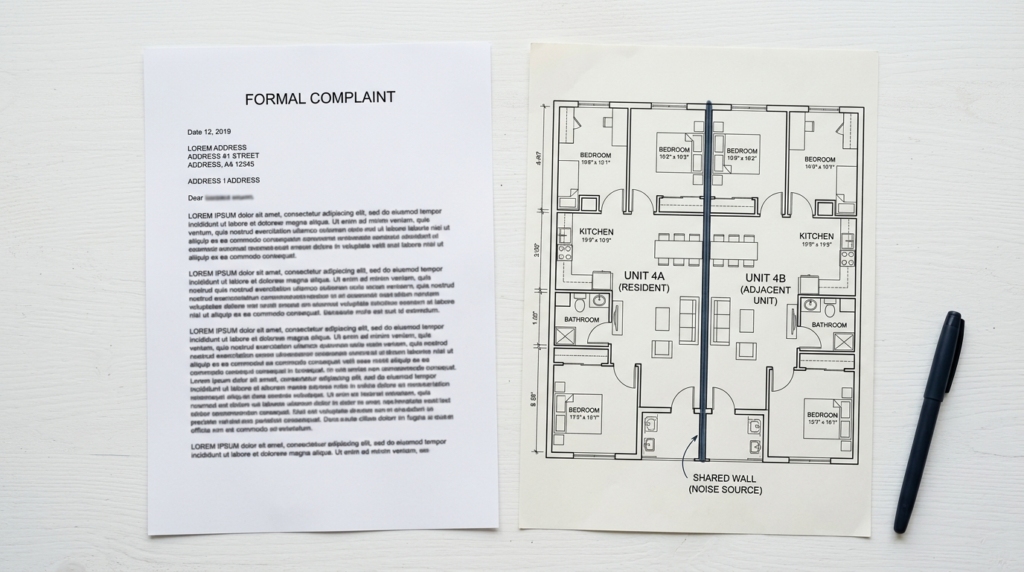
Write a formal objection to the RWA Secretary, citing the specific rule, why you believe it is either unapproved or discriminatory, and requesting a response.
If no satisfactory response is received, file a complaint with the District Registrar of Co-operative Societies — the regulatory body for housing societies in India.
For discrimination specifically — rules that treat tenants differently from owners for lifestyle-based reasons — a consumer court complaint is also an option.
Related read: Society maintenance charges rules India ?
Final Thought
Society rules for tenants in India are legitimate in scope — they maintain the building, protect common spaces, and ensure peaceful coexistence. Where they become problematic is when they are applied selectively, imposed without proper approval, or used to discriminate.
Know what an RWA can enforce. Know where it ends. And when the line is crossed — document it and use the process.
All your apartment living guides in one place. Browse our full library ?